Find out what “legal tender” means, why the status of bank notes changes, and how to redeem older bank notes.
What legal tender means
Bank notes issued by the Bank of Canada, together with coins issued by the Royal Canadian Mint, are known as “ legal tender.” That’s a technical term meaning the Government of Canada has deemed them to be the official money we use in our country.
In legal terms, it means “the money approved in a country for paying debts.”
What legal tender doesn’t mean
Even though the words “legal tender” are written on bank notes, there is no law that requires anyone to accept cash as a form of payment. Businesses have the right to choose how they wish to be paid for their goods or services. In fact, anything can be used as a form of payment if the buyer and seller agree to it.
Today, money is not only bank notes and coins. It takes many different forms, including:
- credit cards
- debit cards
- cheques
- contactless payments we make using mobile devices
Although these are not considered legal tender, you can pay with any of these forms of money if the merchant chooses to accept them.
Learn more about money and how Canadians pay for things.
Not all bank notes are legal tender
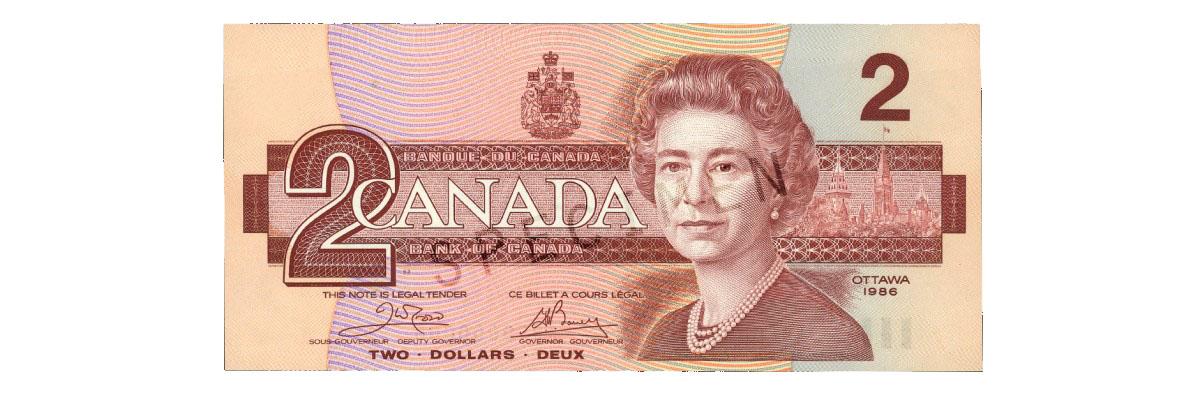
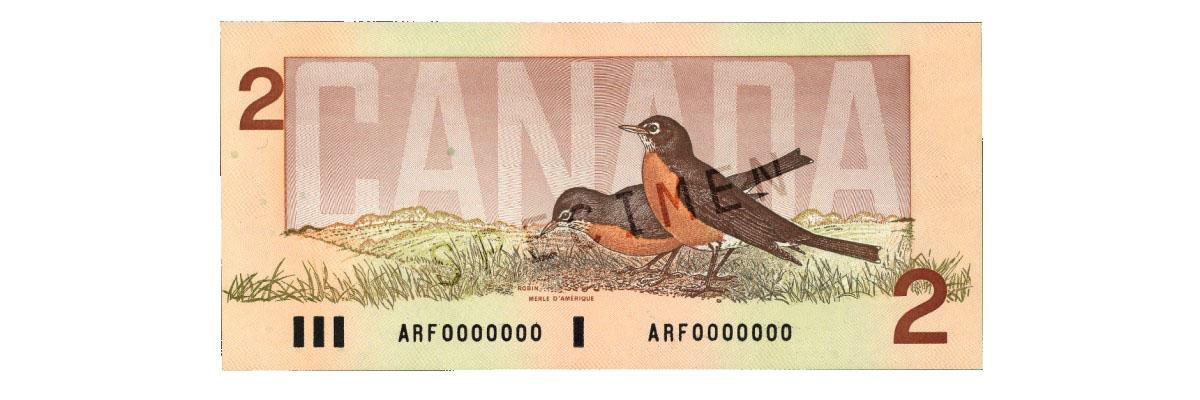
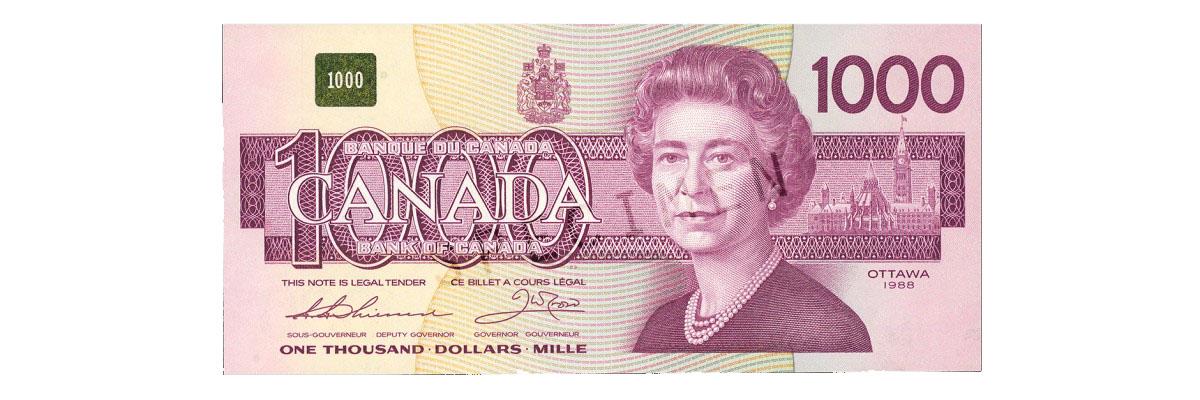
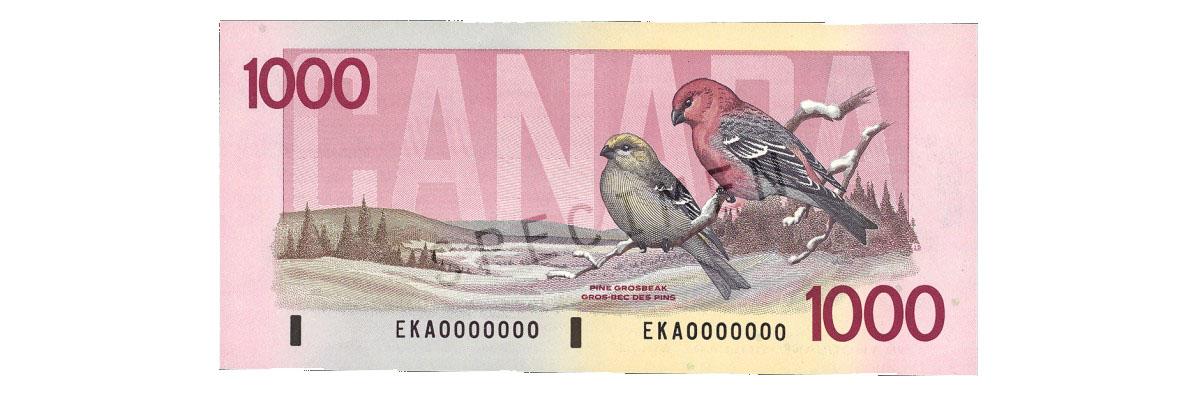
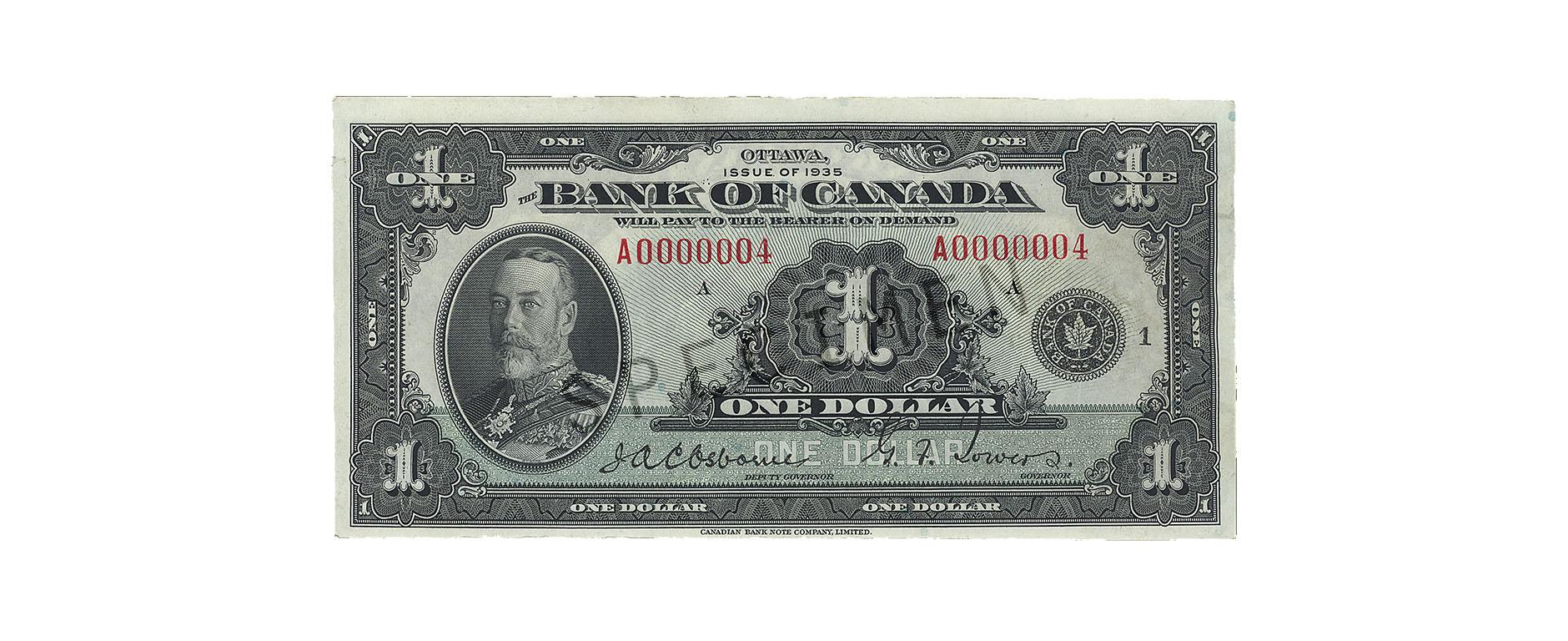
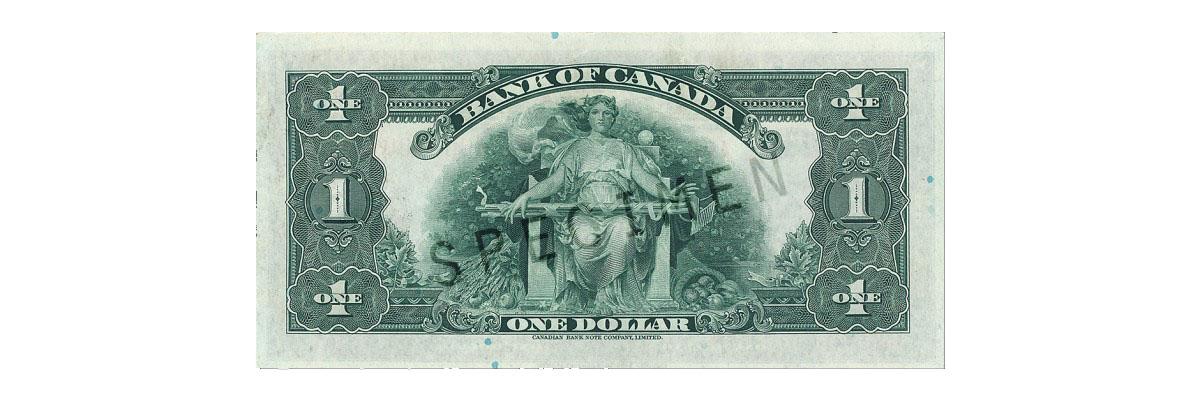
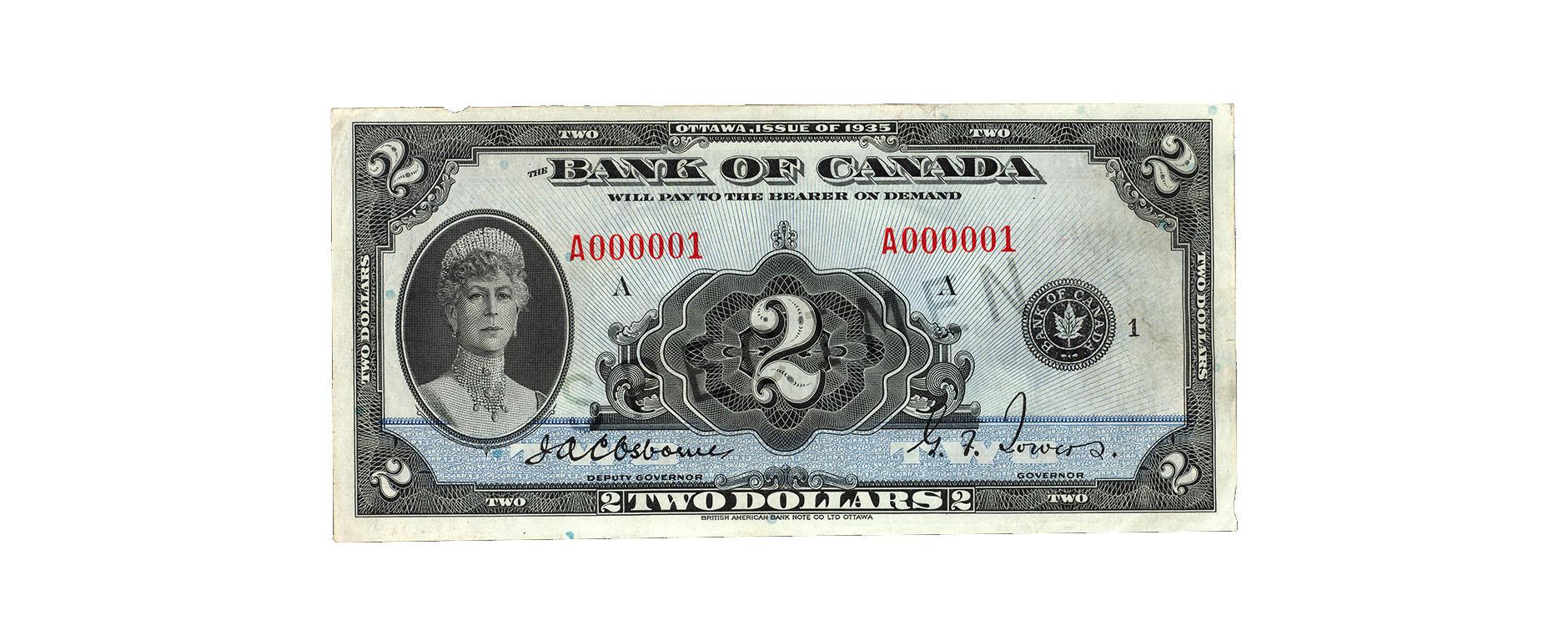
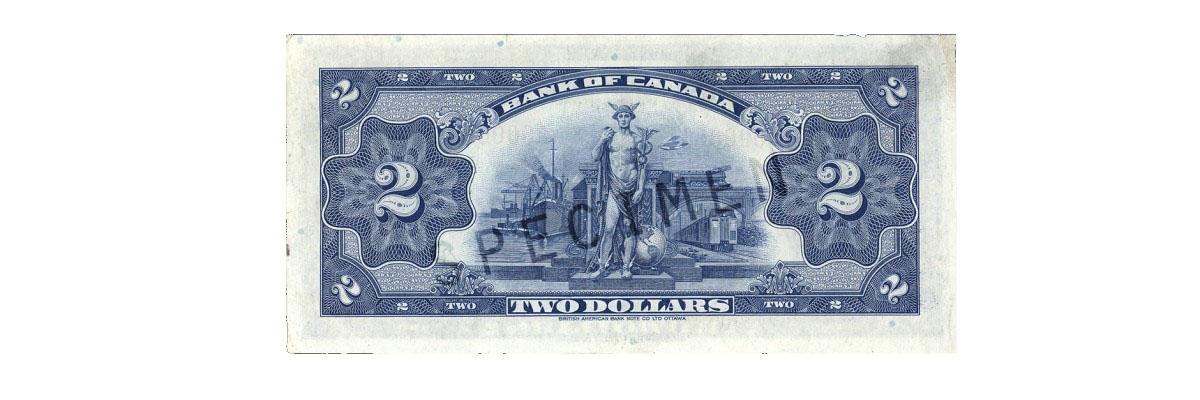
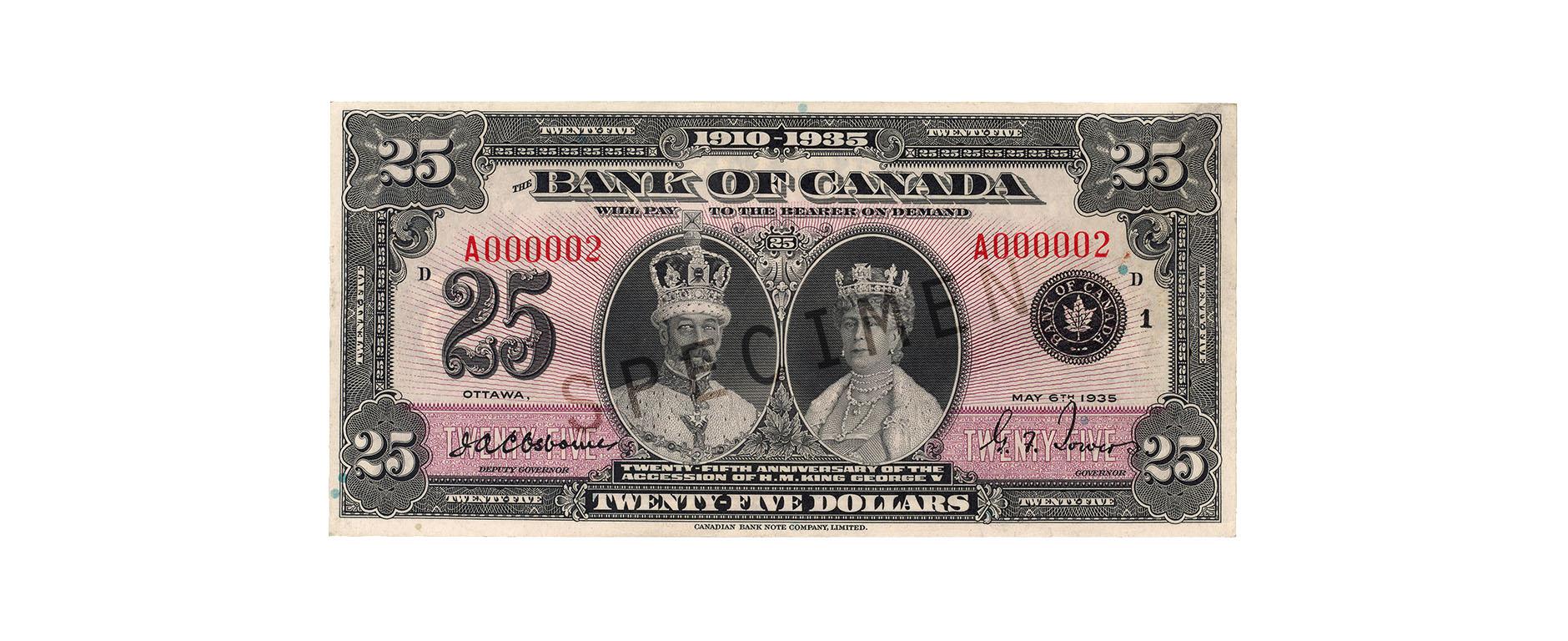
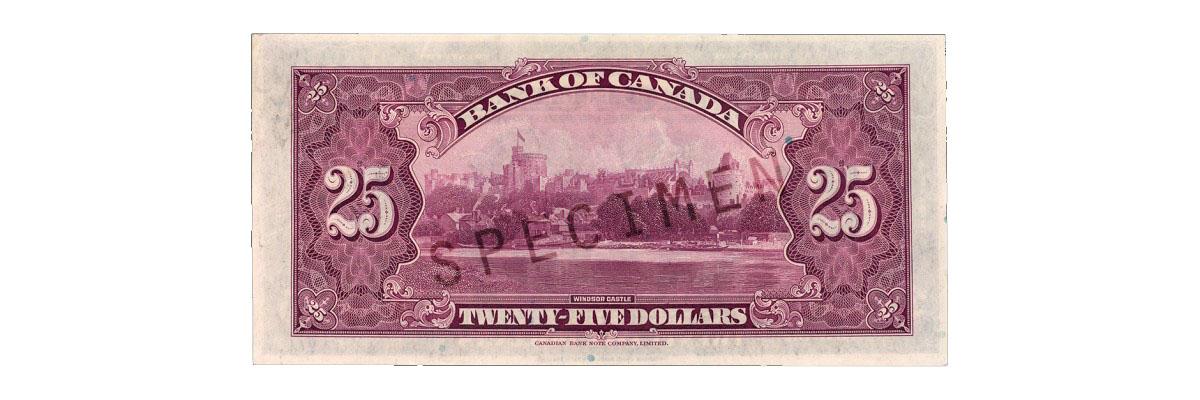
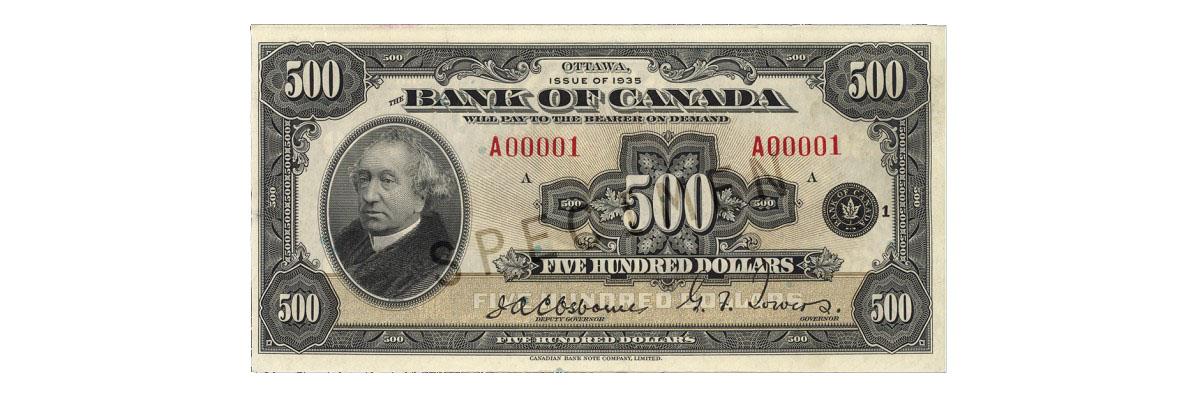
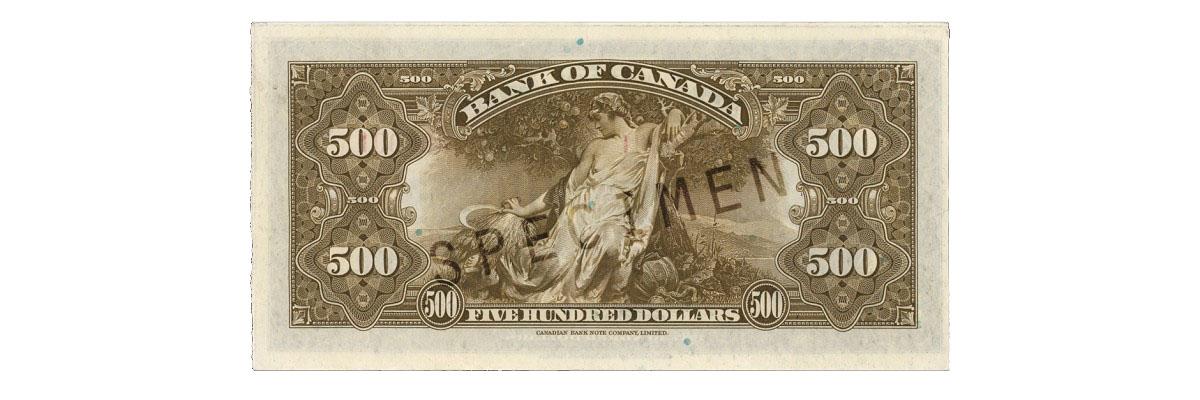
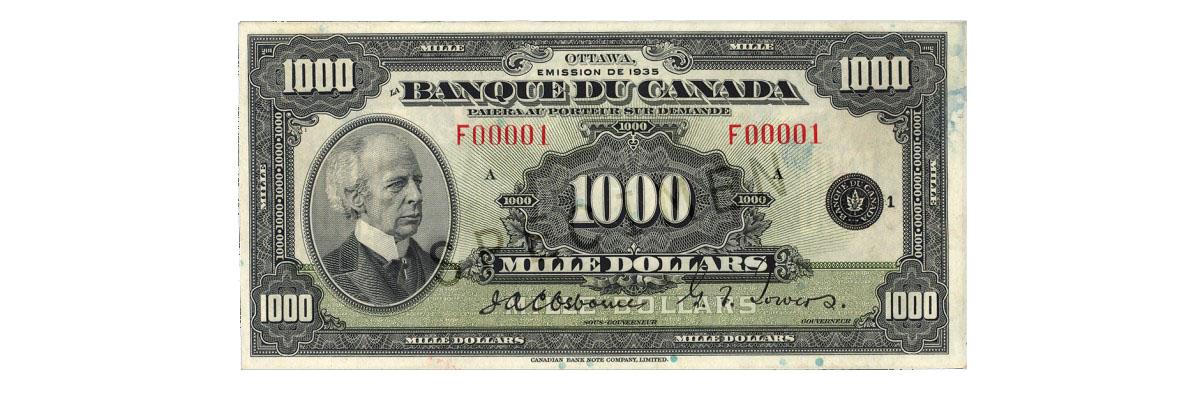
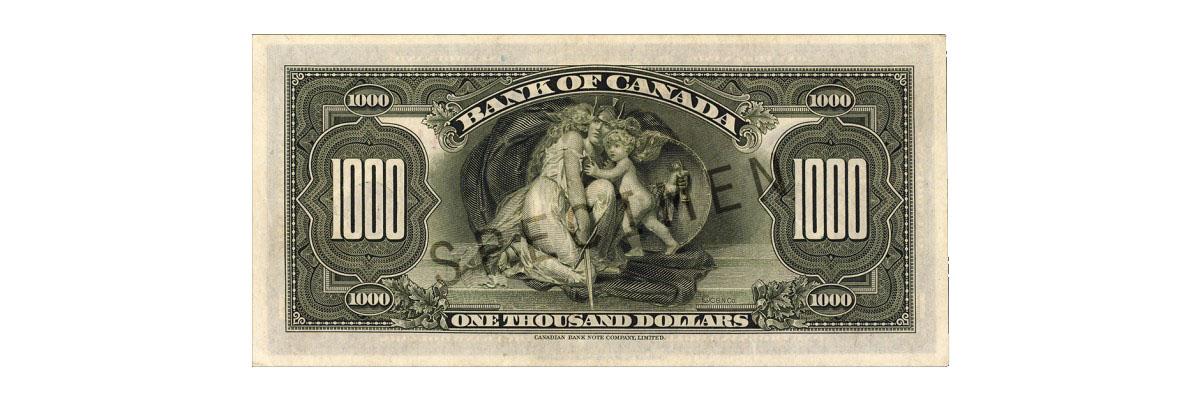
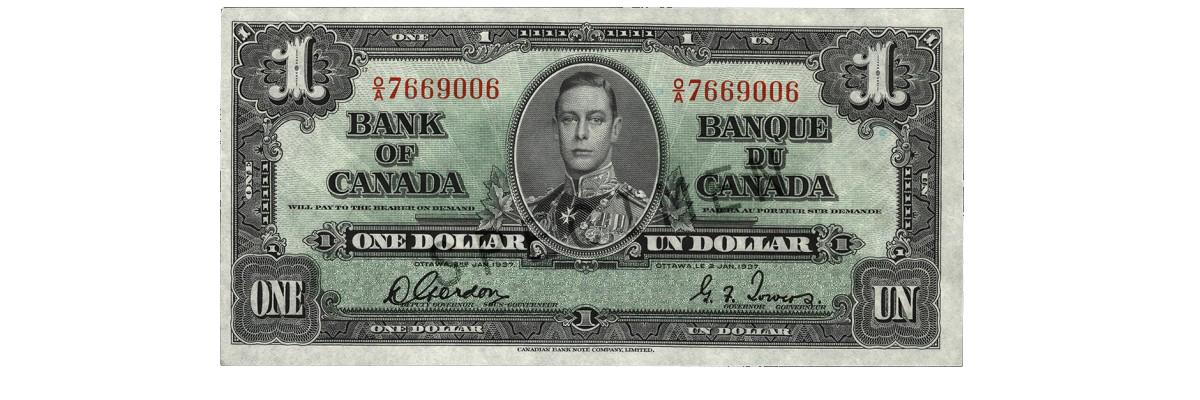
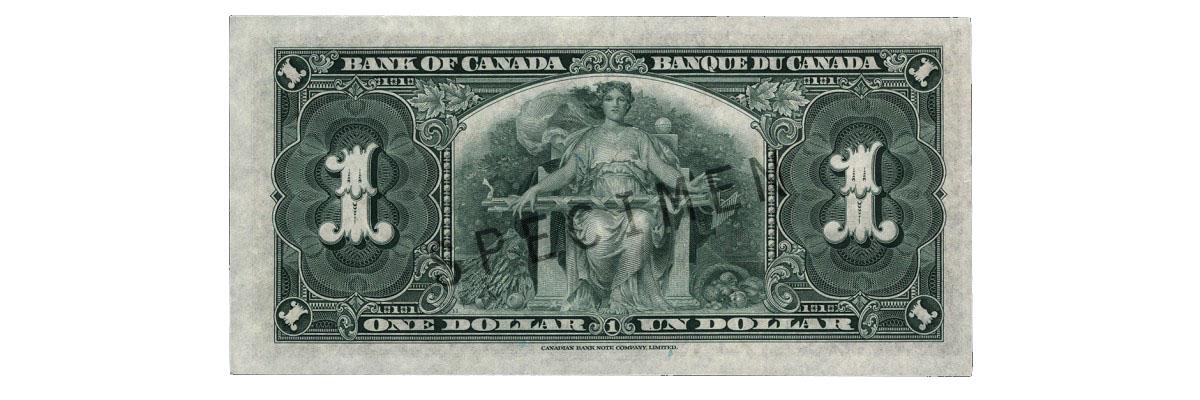
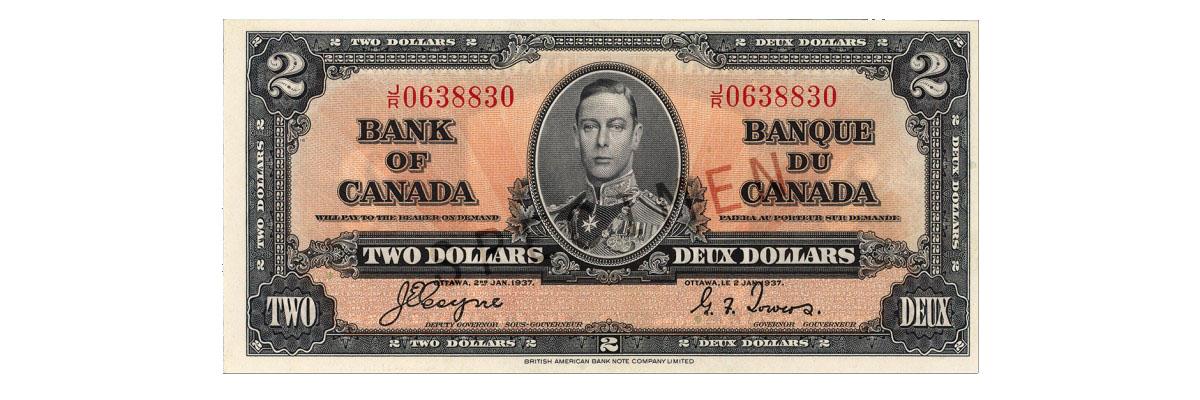
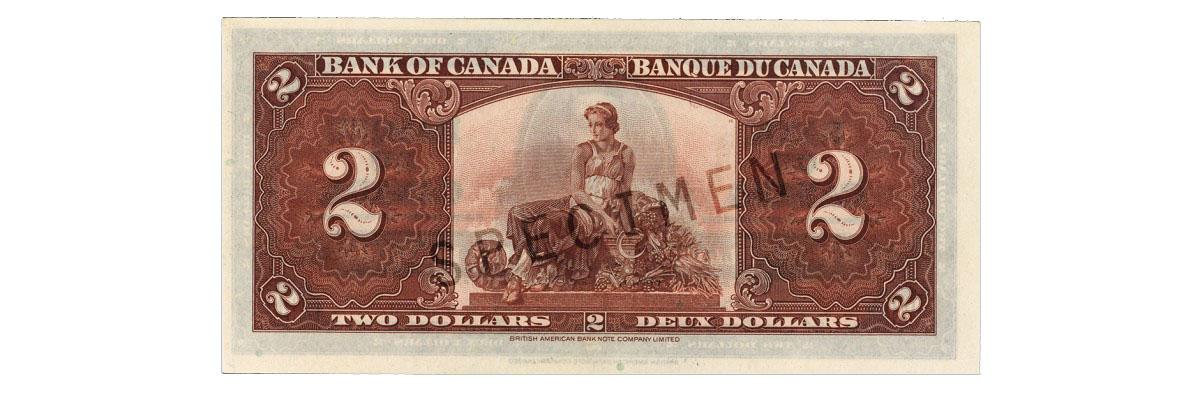
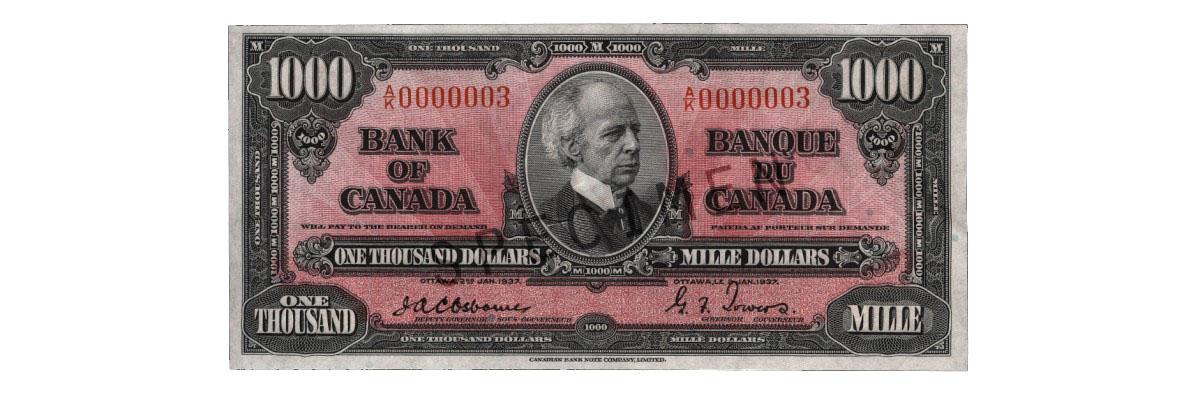
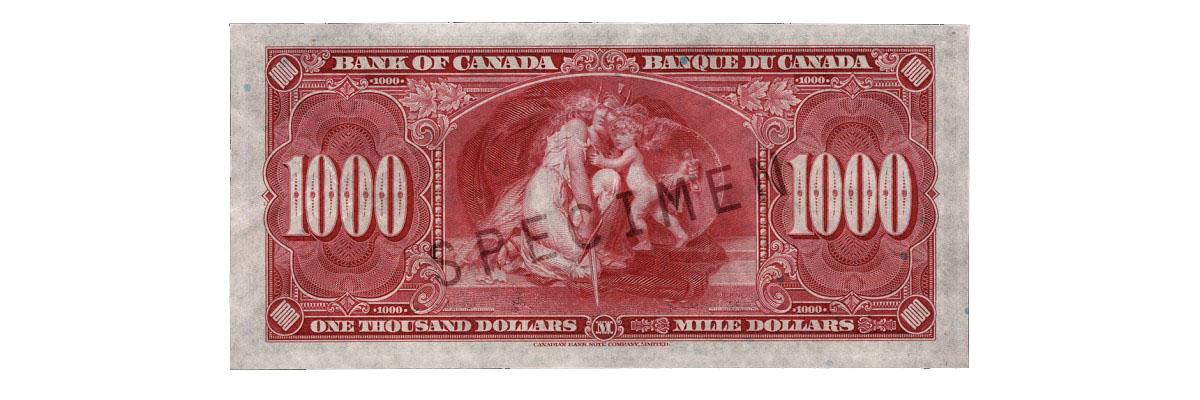
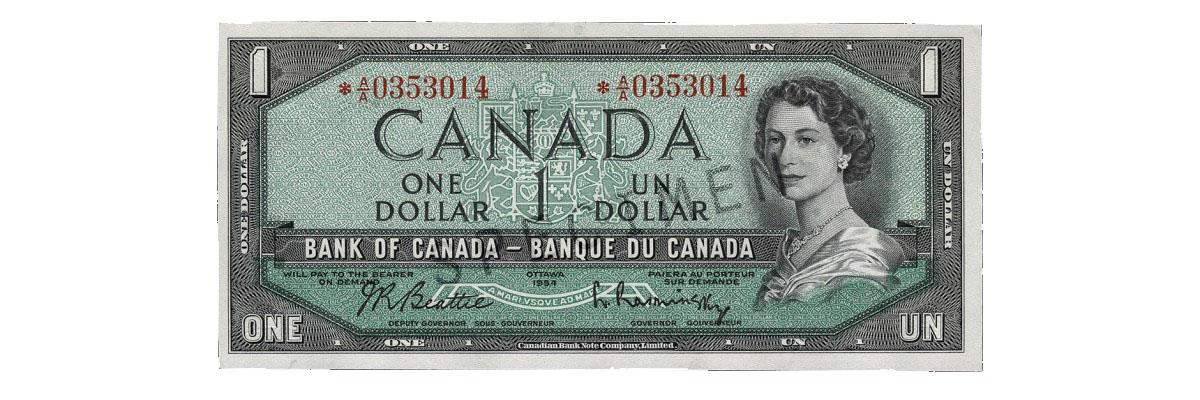
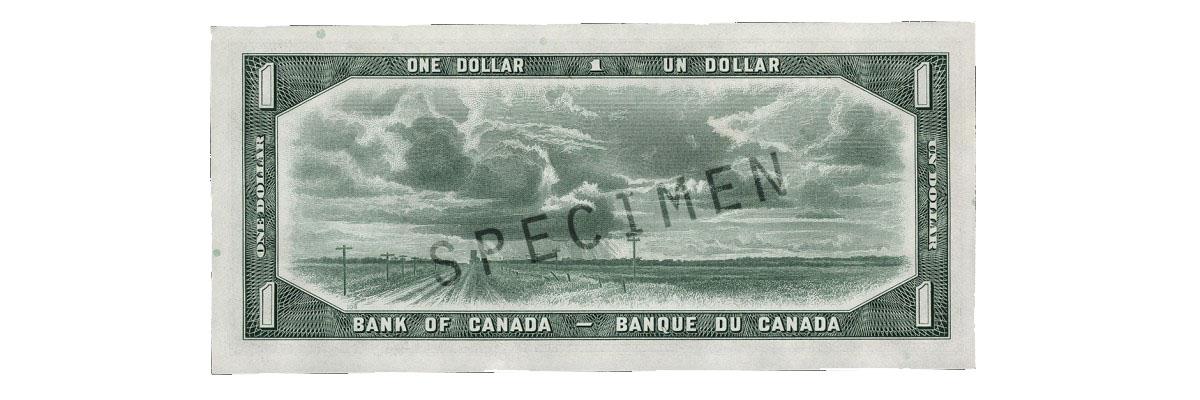
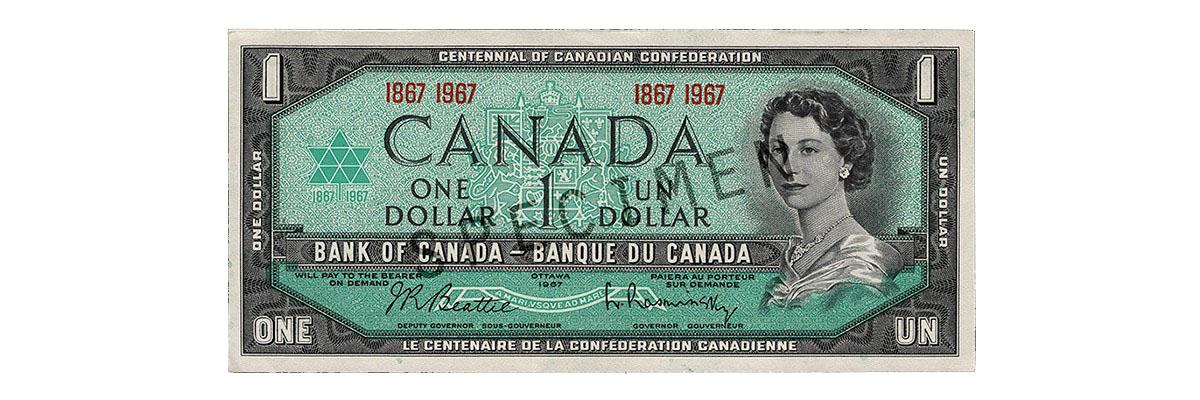
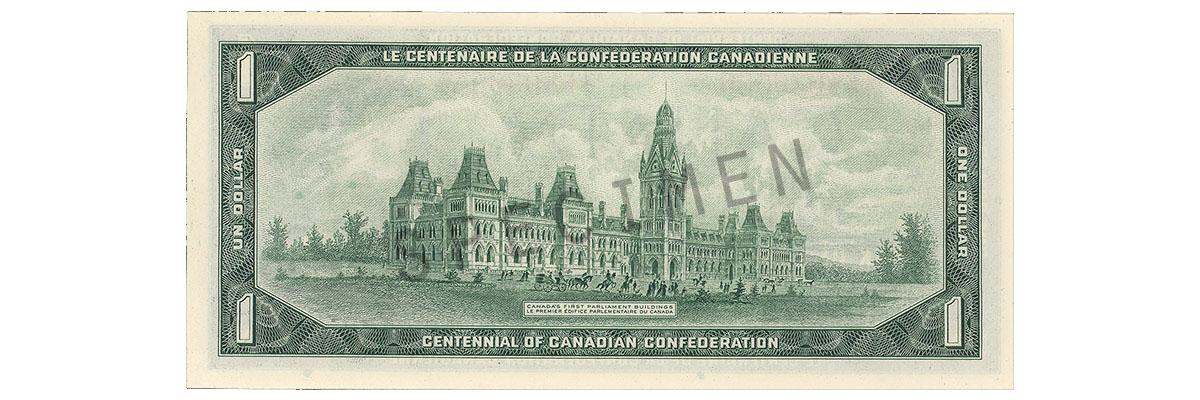
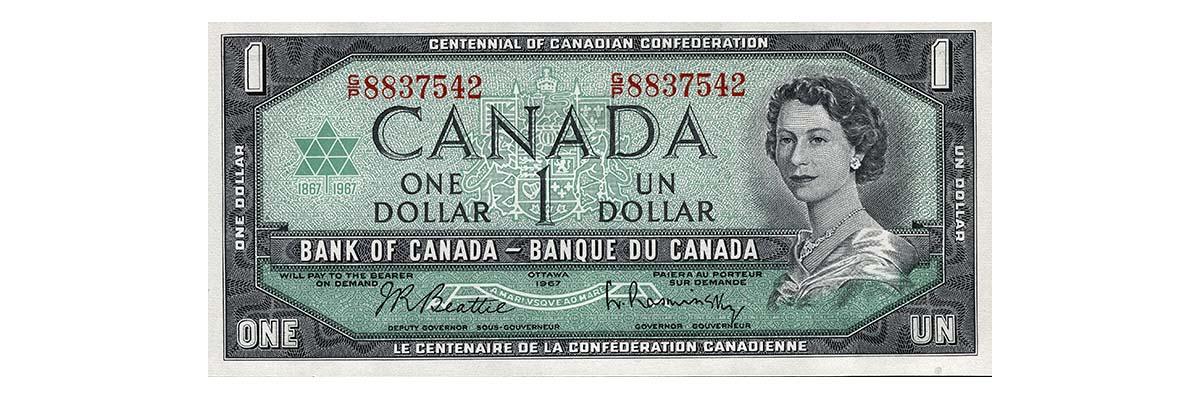
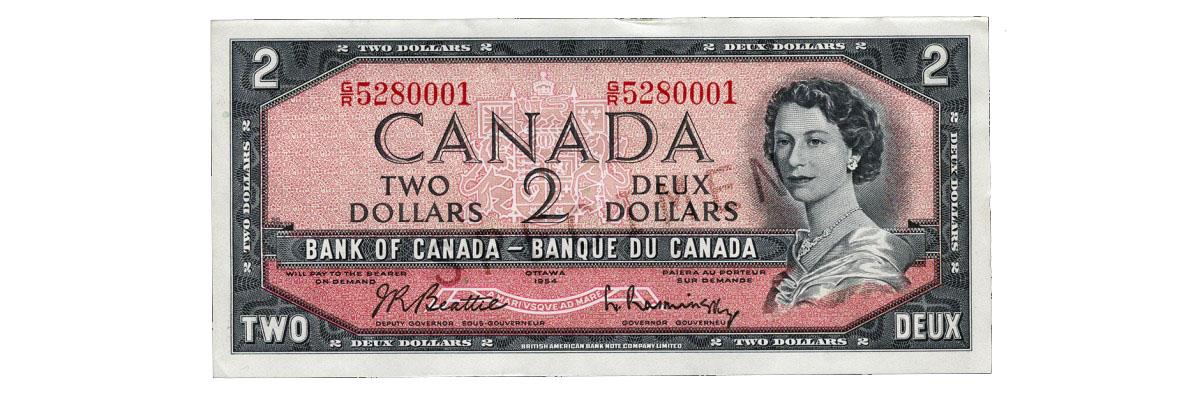
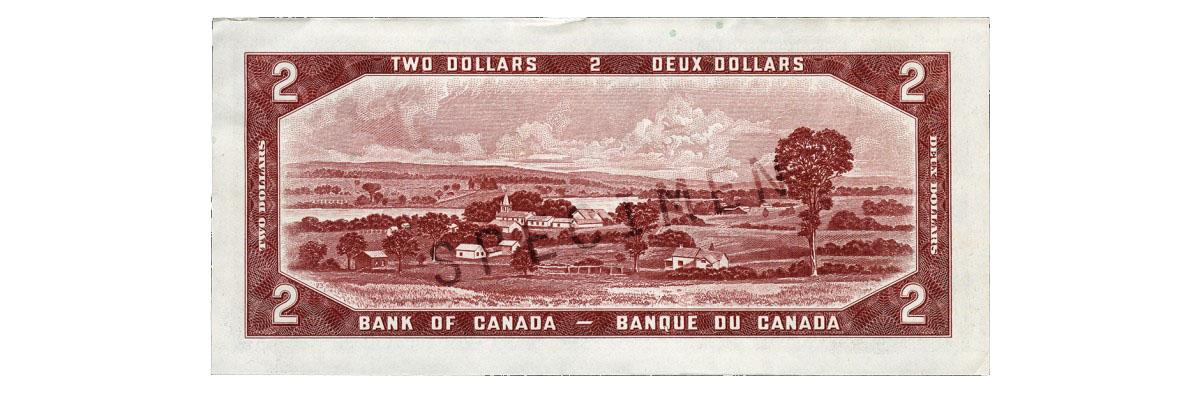
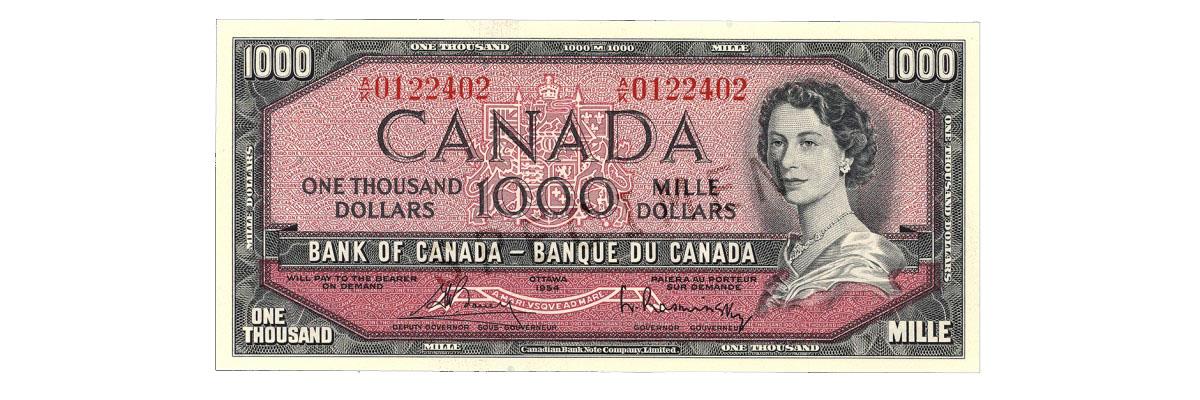
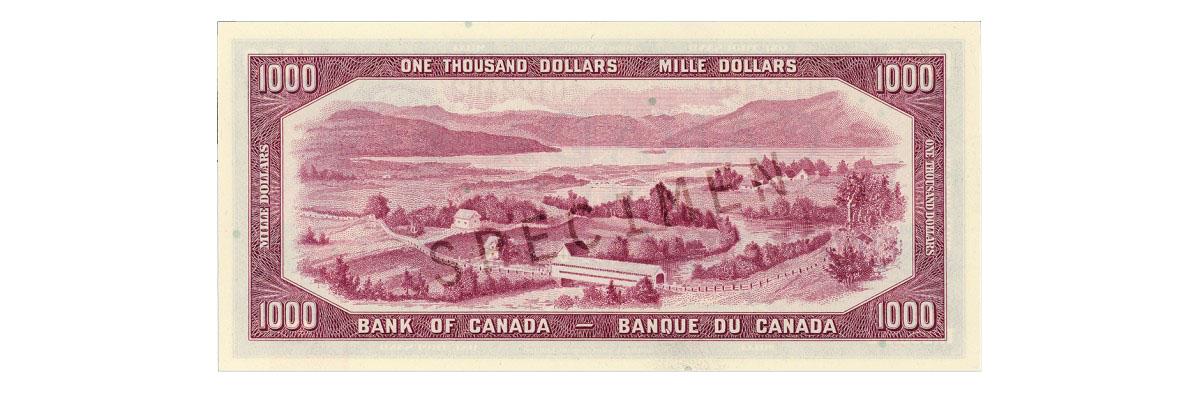
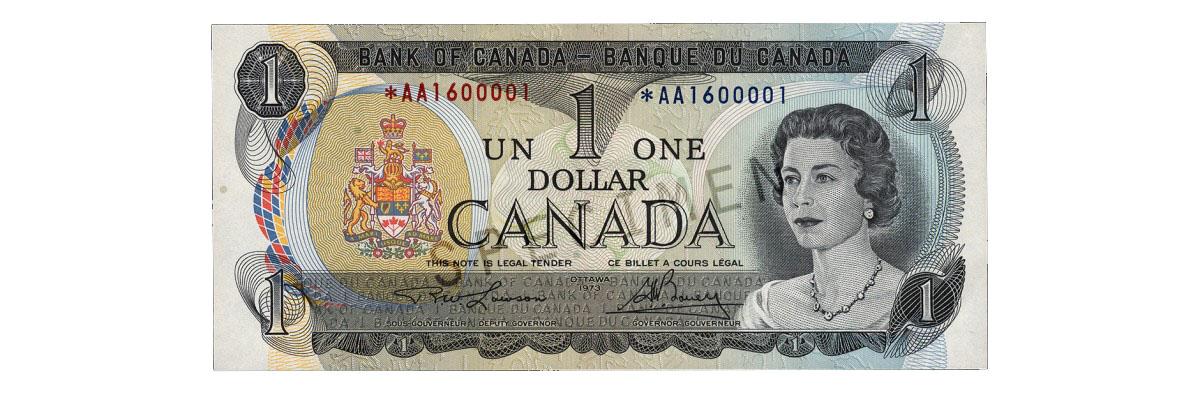
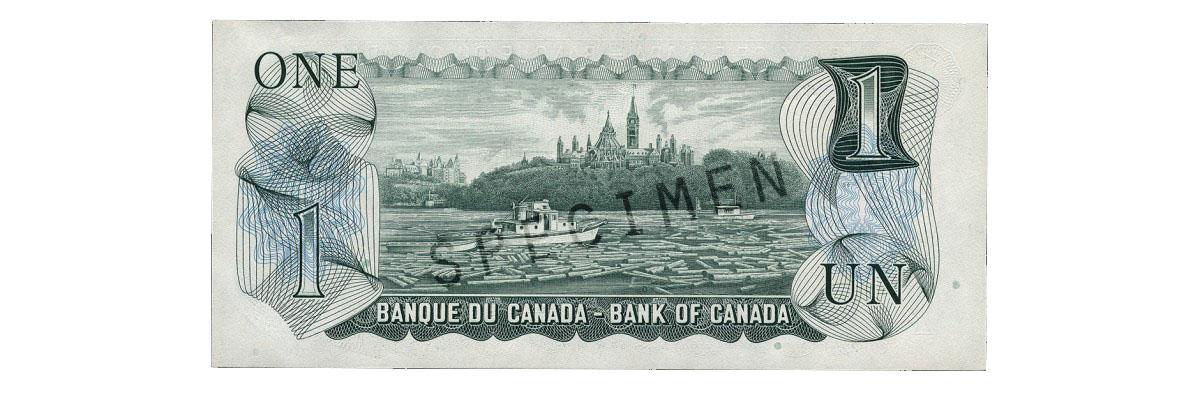
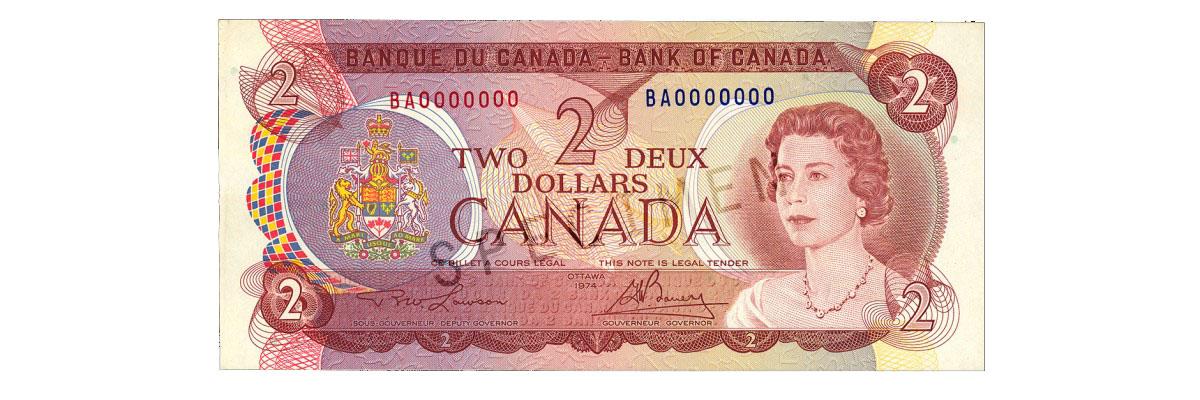
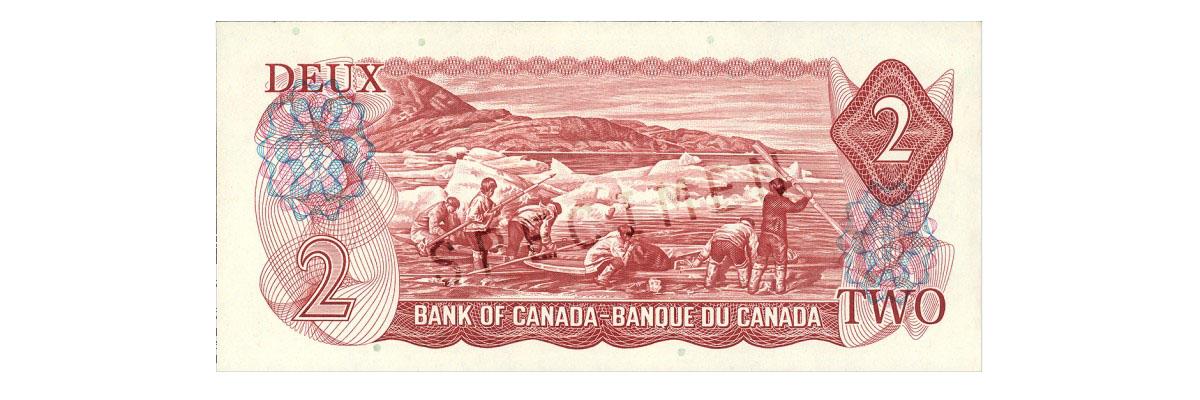
As of January 1, 2021, the $1, $2, $25, $500 and $1,000 bills from every Bank of Canada series are no longer legal tender.
These bank notes have not been produced in decades, so the decision to remove them from circulation has had little impact on most people.
- The $1 and the $2 notes stopped being issued in 1989 and 1996, respectively, and were replaced with coins.
- The $25 note was a commemorative note. Both it and the $500 note were discontinued shortly after they were issued in 1935.
- The $1,000 note stopped being issued in 2000.
Removing legal tender status from these bills means that they are no longer considered money and you may not be able to spend them.
But even though stores might not accept notes that aren’t legal tender, that doesn’t mean those notes are worthless. The Bank of Canada will continue to honour them at face value.
You can find the total value of these notes still in circulation in this chart.
Why legal tender status changes
Parliament amended the Bank of Canada Act and the Currency Act in 2018 to give the Government of Canada the power to remove legal tender status from bank notes—something it could not do before.
The Minister of Finance is responsible for both the Bank of Canada Act and the Currency Act. In consultation with the Bank of Canada and other agencies, the Minister initiated the changes that allowed for the removal of legal tender status. The Bank fully supported the amendments.
Removing legal tender status from bank notes facilitates the removal of those notes from circulation. And taking old notes out of circulation helps ensure that Canadians have access to the most current and secure bank notes. It also guarantees that Canadian bank notes are always easy to spend since recent notes are more recognizable to merchants.
The government currently has no plans to take bank notes other than the $1, $2, $25, $500 and $1,000 notes out of circulation. It will be able to remove other notes in the future as needed.
What other countries do
Many other countries also officially remove old notes from circulation. More than 20 central banks around the world have the power to remove legal tender status from their notes. These include:
- Bank of England
- Sveriges Riksbank (Sweden)
- Norges Bank (Norway)
- European Central Bank
- Swiss National Bank
- Reserve Bank of New Zealand
Some central banks go one step further and demonetize bank notes after legal tender status has been removed. This means that the central bank ceases to honour the face value of those notes. In other words, demonetized bank notes lose their value.
There are currently no plans or legal means to demonetize bank notes in Canada.
How to redeem older bank notes
Even though the $1, $2, $25, $500 and $1,000 bills are no longer legal tender, they still retain their face value. You can take them to your financial institution or send them to the Bank of Canada to redeem them.
People sometimes decide to keep older bank notes, especially if they are rare or valuable. For example, the $25 and $500 can be worth significantly more than their face value.
To find out whether your bank note could be valuable to collectors, refer to a collector’s catalog or get an evaluation from two or three money dealers who cater to the collectors’ market.
Legal tender status as of January 1, 2021
As of January 1, 2021, the $1, $2, $25, $500 and $1,000 bills from every series are no longer legal tender.
First series (1935)
Bilingual series (1937)
Canadian Landscape series (1954)
Scenes of Canada series (1969–79)
Birds of Canada series (1986)