Monetary Policy Report
April 2026

Overview
Before the outbreak of the war in the Middle East, the Canadian economy was evolving as expected. Since the war began, oil prices have risen, pushing inflation up, and the outlook has become more uncertain.

Current conditions
The Canadian economy is expected to have grown modestly in early 2026. After being close to 2% for more than a year, inflation increased in March as the war in the Middle East pushed up oil prices. Inflation is expected to rise further in April.

Tariff and other assumptions
Average US tariff rates decreased recently, both globally and in Canada. But the future of trade in North America remains a key source of uncertainty. The war in the Middle East has pushed global oil prices up sharply.

Outlook
The Canadian economy continues to adjust to US tariffs and trade uncertainty, with economic activity on a lower path than before tariffs were imposed. The war in the Middle East is also affecting the outlook. Inflation is projected to rise in the near term before easing toward 2% in early 2027, while economic growth remains modest.

Global economy
The war in the Middle East has driven up inflation worldwide and is weighing on global growth. Uncertainty has risen markedly. US trade policy continues to reshape global trade.

Projections
The outlook for Canadian economic growth in 2026 and 2027 is evolving generally as anticipated. Inflation is expected to increase in 2026 due to higher gasoline prices caused by the war in the Middle East. It will then ease in 2027 as oil prices are assumed to moderate.

Risks
The risks around inflation are unusually high. The main risk is associated with trade relations with the United States. The war in the Middle East presents a new risk.
In focus
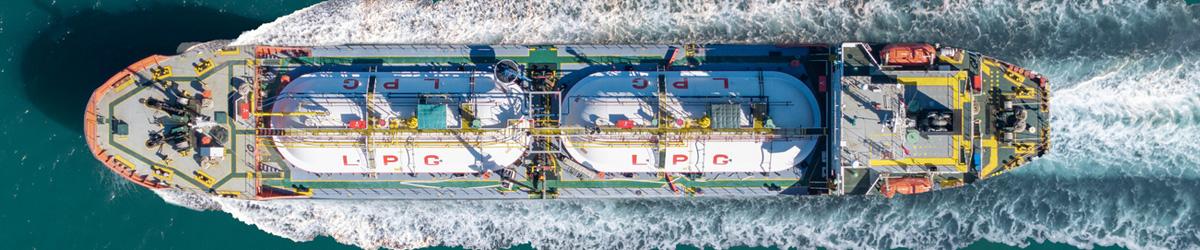
The war in the Middle East—Transmission channels and risks to inflation
The war in the Middle East is affecting the Canadian economy in several ways. Inflation will be higher in the near term, but the magnitude and persistence of the increase is uncertain. The net impact on growth is expected to be small.
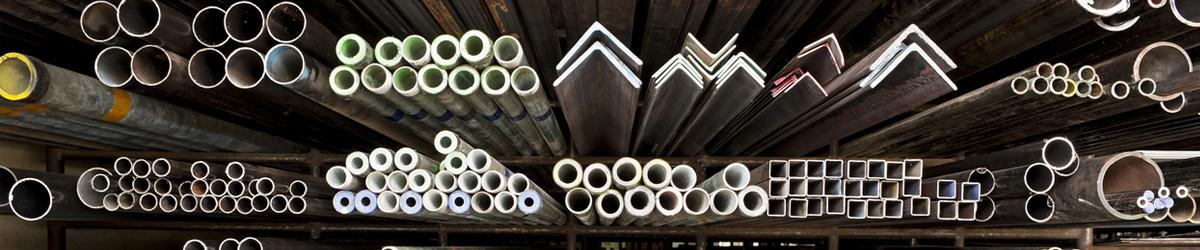
One year later—Assessing the impact of US trade restrictions on Canadian industries
Sector-specific trade restrictions are adversely affecting the Canadian economy. Steel and lumber exports have declined significantly, while others have held up better in comparison. Overall, declines in exports have been less severe than expected, reflecting both business adaptability and government policy actions.
Appendix

Potential output and the nominal neutral rate of interest
US protectionism is expected to dampen labour productivity, while population growth remains subdued. Growth in Canadian potential output is expected to weaken in 2026. It then picks up in 2027 and 2028 as investment recovers and artificial intelligence improves productivity.
In brief: Monetary Policy Report
ISSN 1490-1234 (Online)